Makhana has become one of India's most recognizable traditional snacks, but its story begins long before it appeared in modern health-food aisles and online stores. Known as fox nuts or gorgon nuts, makhana has been cultivated and consumed in parts of Bihar for generations. At the heart of this tradition is the Mithila region, where the crop is closely connected with local agriculture, food culture, and rural livelihoods.
Today, consumers across India are discovering makhana as a convenient alternative to many conventional snacks. Yet not every product tells the same story. Authentic Mithila Makhana stands apart because of its geographical identity, traditional cultivation practices, processing heritage, and connection with Bihar.
So, what makes Mithila Makhana special, and why has it attracted attention beyond its traditional market?
What Is Mithila Makhana?
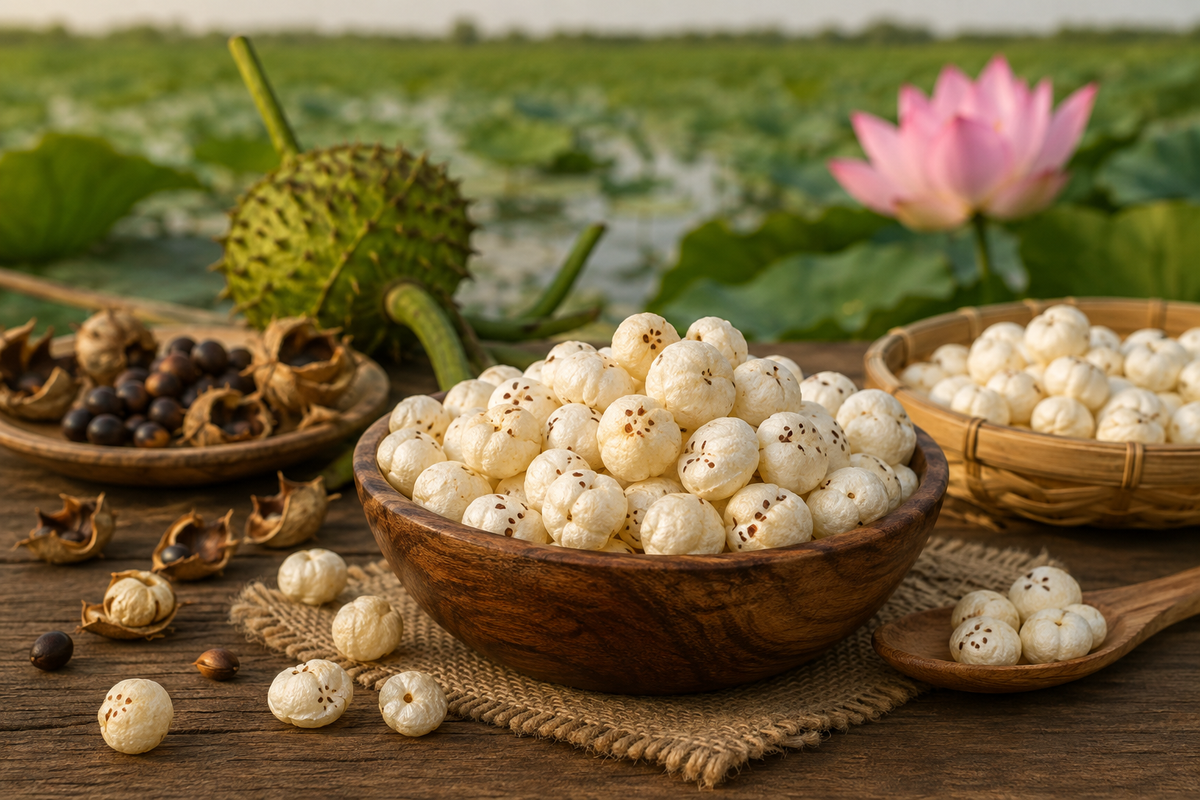
Mithila Makhana refers to makhana associated with the Mithila region of Bihar. The edible seeds come from Euryale ferox, an aquatic plant that grows in ponds and other suitable water bodies.
The production process is quite different from that of ordinary field crops. Makhana grows in water, and harvesting requires knowledge of the plant, the growing environment, and the appropriate time to collect the seeds.
Once harvested, the seeds undergo processing before becoming the familiar white, puffed makhana sold to consumers. The transformation from a hard seed into a light, crunchy food requires careful processing and considerable traditional knowledge.
This connection between the product and its place of origin is an important part of what makes Mithila Makhana from Bihar distinctive.
Why Bihar Is Closely Associated With Makhana
Bihar has long been one of India's important regions for makhana cultivation. The ponds and wetlands found across parts of the state provide conditions suitable for growing the aquatic plant.
But geography alone does not explain the importance of Bihar's makhana industry.
Local farmers and processors have developed practical knowledge over generations. They understand how to cultivate the crop, harvest the seeds, dry them, grade them, and process them into edible makhana.
That accumulated knowledge is part of the product's heritage. It is also one reason why discussions about premium makhana naturally lead back to Bihar and Mithila.

The GI Identity of Mithila Makhana
The geographical identity of Mithila Makhana is an important part of its growing reputation.
A Geographical Indication (GI) identifies products associated with a particular geographical area and helps distinguish them from products that may use a similar name without the same regional connection.
For consumers, geographical identity can provide useful context. It tells them that the product is connected to a specific region and its established production tradition.
For the farmers and communities involved in the industry, recognition can also help strengthen the identity of a traditional agricultural product.
What Makes Authentic Mithila Makhana Different?
There is no single characteristic that makes Mithila Makhana special. Its identity comes from several elements working together.
A Strong Regional Heritage
Makhana is deeply connected with the food and agricultural traditions of Bihar. Mithila's association with the crop gives it a story that extends beyond the product itself.
Traditional Agricultural Knowledge
Growing an aquatic crop requires a different set of skills from conventional farming. Local knowledge remains an important part of the cultivation and harvesting process.
Distinctive Crunch and Texture
When properly processed and roasted, makhana develops the light, crisp texture that consumers enjoy. Freshness and storage conditions can influence the final eating experience.
Culinary Versatility
Makhana is not limited to one type of dish. It can be roasted for snacking, used in traditional recipes, added to desserts, or incorporated into contemporary meals.
A Natural Fit for Modern Snacking
As consumers look for alternatives to heavily fried or highly processed snacks, roasted makhana has found a place in modern kitchens.
Makhana as a Modern Healthy Snack
One reason for the growing popularity of makhana is its versatility as a snack.
Plain makhana naturally contains carbohydrates and some protein and minerals, while plain varieties are relatively low in fat. However, the nutritional profile of a finished product depends on how it is prepared.
For example, a lightly roasted product and a heavily seasoned product containing added oil or other ingredients should not automatically be considered nutritionally identical.
For this reason, we encourage consumers to read the ingredient list and nutrition information when choosing packaged makhana.
The appeal of makhana is ultimately quite simple: it can provide a satisfying crunch while offering an alternative to many traditional fried snacks.
You May Also Read: Top 7 Health Benefits of Roasted Makhana Over Fried Snacks
From Fasting Food to Everyday Snack
For many Indian families, makhana has traditionally been associated with fasting and religious occasions. Recipes using makhana have been part of regional kitchens for generations.
Its role, however, has expanded.
Today, roasted makhana can be enjoyed during office breaks, while travelling, during evening snack time, or simply when someone wants something crunchy.
This change illustrates how traditional foods can adapt to modern lifestyles without losing their original identity.
How Mithila Makhana Is Processed
The journey from harvested seed to finished makhana involves several stages.
After harvesting, the seeds need to be cleaned and prepared for processing. They are then subjected to controlled heating and processing that causes the inner portion of the seed to expand.
The resulting puffed product is what consumers recognize as makhana.
Commercial processing can add modern hygiene controls, grading systems, packaging standards, and quality checks. These improvements are particularly important when a traditional product is being distributed across a large market.
For premium brands, maintaining consistency from sourcing through packaging is essential.
How to Choose Good-Quality Makhana
With more brands selling fox nuts online and through retail stores, consumers have plenty of choices.
A few practical checks can help when purchasing makhana:
- Check the origin: Look for clear information about where the makhana is sourced.
- Examine the product: The pieces should appear reasonably clean and properly processed.
- Consider freshness: Makhana should retain its characteristic crunch when stored correctly.
- Read the ingredients: This is particularly important for flavored and seasoned varieties.
- Check packaging: Moisture-resistant, well-sealed packaging can help preserve texture.
- Look for transparent product information: Responsible brands should provide relevant product details rather than relying only on broad health claims.
These factors matter more than simply choosing a packet because it contains words such as "premium" or "healthy."
Roasted and Flavoured Mithila Makhana
Modern consumers have also changed the way makhana is enjoyed.
Roasted makhana can be seasoned with ingredients such as herbs, spices, or mild masalas. Flavored varieties can provide more choice for people who want something different from plain fox nuts.
At the same time, plain makhana remains valuable for traditional cooking.
This flexibility gives the product an unusual advantage: it can appeal to both consumers interested in traditional Indian foods and those searching for convenient contemporary snacks.

Supporting the Makhana Value Chain
The story of Mithila Makhana does not end with the consumer.
Behind the final packet are farmers, processors, workers, packers, distributors, retailers, and other participants in the supply chain.
A growing market can create opportunities throughout this ecosystem. However, growth should be accompanied by attention to product quality, responsible sourcing, fair business practices, hygiene, and long-term sustainability.
The stronger the value chain becomes, the greater the opportunity for a traditional Bihar product to establish itself in wider domestic and international markets.
Why Mithila Makhana Has Global Potential
Indian consumers are not the only audience interested in traditional foods. International consumers are increasingly discovering regional ingredients that combine cultural heritage with modern convenience.
Mithila Makhana has several qualities that make it interesting for international markets: it is lightweight, versatile, easy to season, and suitable for a wide range of recipes.
Its strongest advantage, however, may be its story.
A food product with a genuine geographical and cultural identity can offer something that generic snack products cannot easily reproduce.
Mithila Makhana and the Future of Traditional Indian Foods
The rise of makhana demonstrates a broader shift in the food industry. Consumers are becoming more interested in where their food comes from, how it is produced, and what makes it different.
This creates an opportunity for regional Indian products.
For Mithila Makhana, the future will depend on balancing tradition with modern expectations. Better processing, attractive packaging, reliable quality, transparent sourcing, and responsible marketing can help the product reach new consumers without disconnecting it from its origins.
The objective should not simply be to make makhana more popular. It should be to ensure that increased demand also strengthens the ecosystem that has supported this crop for generations.
MithilaRam: Bringing Authentic Makhana to Modern Consumers
At MithilaRam, we see makhana as more than a snack. It represents a connection between Bihar's agricultural heritage and the changing preferences of today's consumers.
Our focus is on making premium Mithila Makhana available in convenient formats, including roasted and flavored varieties, while keeping the product's regional identity at the centre of the brand story.
For consumers looking to buy makhana online, understanding the origin and quality of the product can make the buying decision more meaningful.
Frequently Asked Questions About Mithila Makhana
What is Mithila Makhana?
Mithila Makhana is fox nut associated with the Mithila region of Bihar. It comes from the aquatic plant Euryale ferox and has a long history of cultivation and consumption in the region.
Is Mithila Makhana the same as fox nuts?
Yes. Makhana is commonly called fox nuts or gorgon nuts in English. Mithila Makhana identifies the product with its regional origin in Bihar's Mithila area.
How can we eat makhana?
Makhana can be eaten roasted and seasoned as a snack or used in traditional Indian dishes, desserts, and other recipes.
Is roasted makhana suitable for everyday snacking?
Roasted makhana can be a convenient snack option. The overall nutritional profile depends on the ingredients and preparation method, so packaged products should be evaluated using their ingredient and nutrition labels.
Where can we buy premium Mithila Makhana online?
Consumers can compare product origin, ingredients, packaging, freshness information, and brand transparency when choosing premium makhana online.
Conclusion: More Than Just Fox Nuts
Authentic Mithila Makhana carries a story that begins in the water bodies of Bihar and continues through generations of agricultural knowledge and food tradition.
Its growing popularity is not simply the result of a passing snack trend. Makhana has qualities that fit naturally into modern lifestyles while retaining a strong connection with Indian culinary heritage.
The combination of Mithila's regional identity, traditional cultivation, careful processing, versatility, and modern demand for convenient snacks gives this Bihar specialty a distinctive position in the food market.
As more people discover fox nuts, the real opportunity is to introduce them to the product behind the trend: authentic Mithila Makhana, rooted in Bihar and prepared for the modern world.
Mithila Makhana is not just something we snack on. It is a traditional food story from Bihar that continues to evolve with every new generation of consumers.
Top 7 Health Benefits of Roasted Makhana vs. Fried Snacks
Buy Premium Flavoured Makhana Online: Gourmet Crunch Delivered to Your Door